Ski holidays should be, above all, a time for enjoyment, marked by serenity and togetherness. To make that happen, you need to:
- anticipate logistical details;
- carefully prepare your luggage;
- have reliable, suitable equipment;
- follow the rules of good conduct on the slopes;
- pay attention to mountain-specific conditions;
- know best practices to ensure children’s safety;
- adopt good habits at the end of the day.
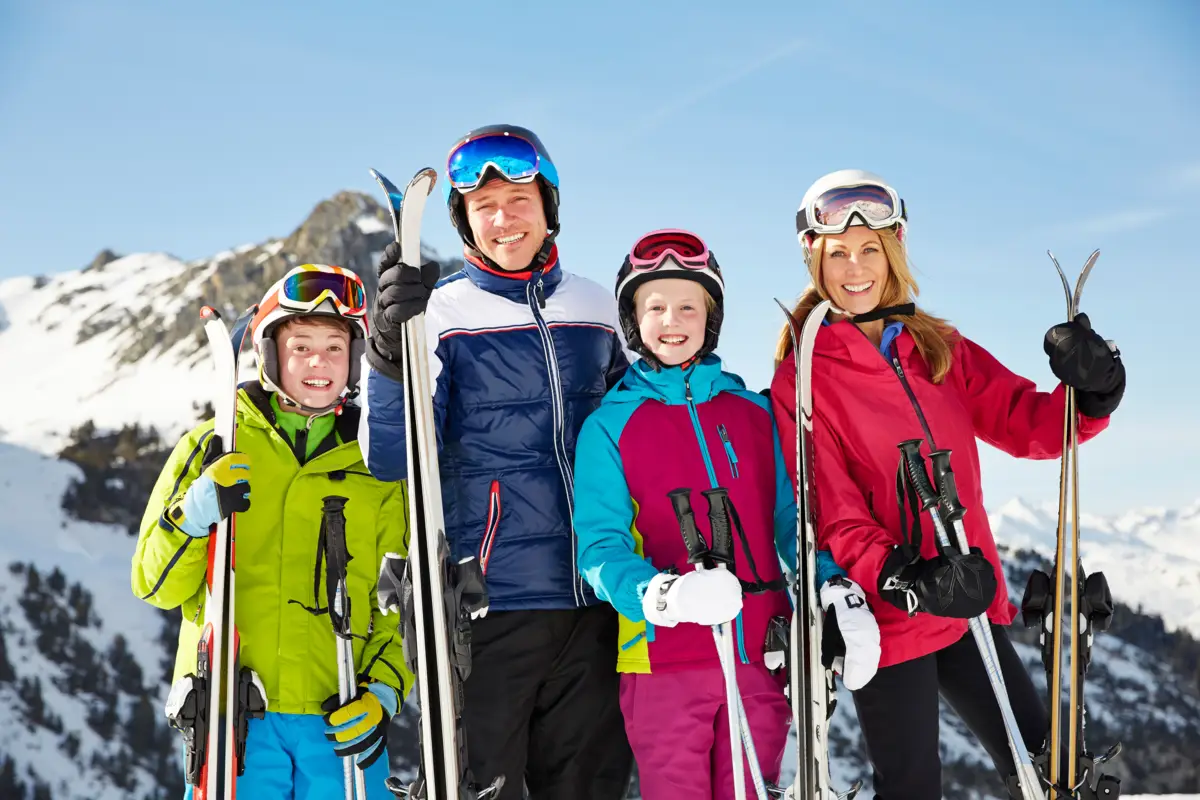
To help you prepare properly and ski safely, Sport 2000 has created a checklist for you: you can head to the slopes with peace of mind, with the whole family!
Before the trip: organization is key
To avoid unpleasant surprises and last-minute stress during your holiday, preparation is essential. It starts with anticipating the following points:
- Online equipment rental (to make sure the equipment you want is available and to save time in-store)
- Finding out the store location, opening hours, and whether equipment can be collected the day before; deciding how to get there (on foot, by car, by bus)
- Reloading ski passes online if you already have the card
- Booking ski lessons or organized outings
- Checking the resort map to locate key places (ski lifts, shops, childcare facilities, ski schools, tourist office, etc.)
- Planning the first day of skiing (wake-up time, areas to ski, where to have lunch, etc.)
Packing your suitcase: don’t forget anything for stress-free skiing
When going on a ski holiday, it is not recommended to pack your suitcase at the last minute. You may forget important items, which could affect your comfort and peace of mind, or force you to make purchases at the resort. Here is a checklist of essential items to pack for each family member:
- Ski pants and jacket or ski suit
- Gloves
- Ski socks (several pairs)
- Hat or beanie
- Ski goggles or sunglasses
- Thermal underwear and fleece
- Sunscreen and lip balm
- Water bottle
- Backpack
- Après-ski clothes and shoes
- Swimsuit if you plan to go to the pool or spa
- Pyjamas
- First-aid kit and medication
- Toiletry bag (toothbrush, toothpaste, moisturizer, etc.)
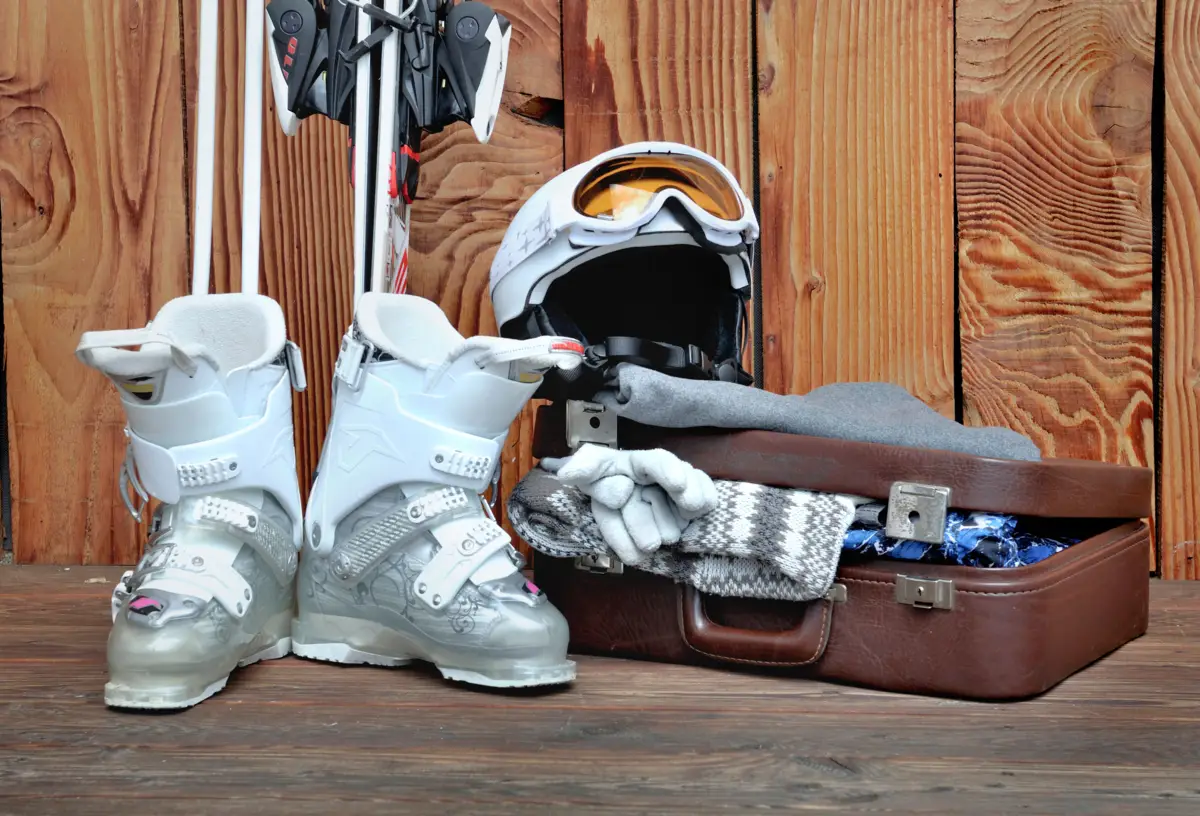
Don’t forget practical essentials as well:
- Booking documents (accommodation, ski rental, ski lessons, etc.)
- Ski pass cards
- Mobile phone and charger (or even a power bank)
- ID card, health insurance card, driving licence
Sport 2000 tip: use these lists to create your own personalized checklist and tick items off as you pack. Also decide how many suitcases and bags you will take, so you can easily check that nothing has been forgotten before leaving.
Before putting on your skis: preparation and equipment choice
The first step to skiing safely and with peace of mind is having the right equipment:
- Skis suited to each person’s level, weight, and height (find the ideal package with our comparison chart)
- Properly adjusted bindings (to release at the right moment)
- Well-fitted, comfortable ski boots (for precise skiing without pain)
- Carefully prepared skis (base waxing and edge sharpening)
- Well-adjusted ski helmet (essential for children and strongly recommended for adults)
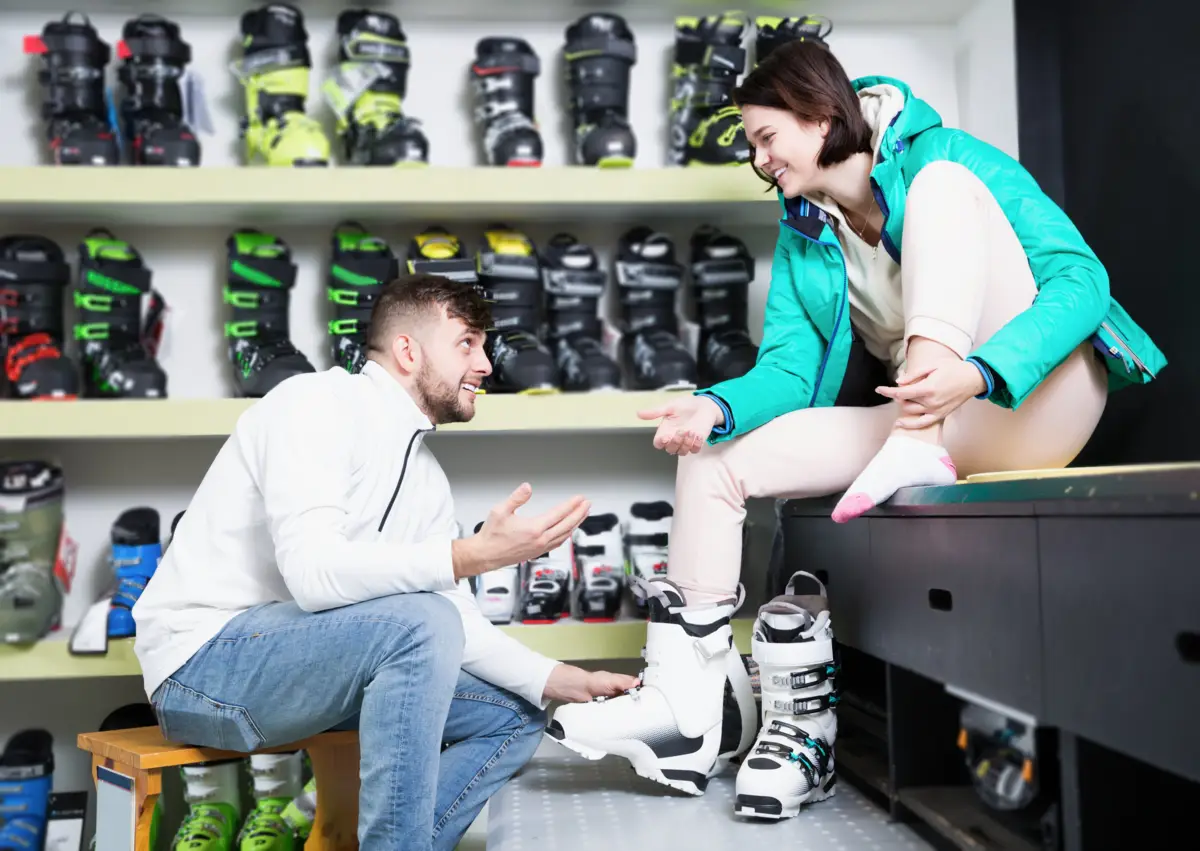
For all of this, you can rely on Sport 2000 in-store experts. They will provide suitable equipment, make personalized adjustments, and offer expert advice.
On the slopes: best practices to follow
Once you have your ski equipment, there are a few key things to know before heading onto the slopes. Some universal rules will help keep you and your children safe:
- Control your speed and adapt it to your level and the crowd
- Stop only at the sides of the slopes (not in the middle, in narrow sections, or behind a bump)
- Look uphill before setting off
- Respect right-of-way rules: downhill skiers have priority
- Respect “slow down” zones and reduce speed in beginner areas
- Anticipate and control your trajectory
- Take regular breaks to avoid fatigue
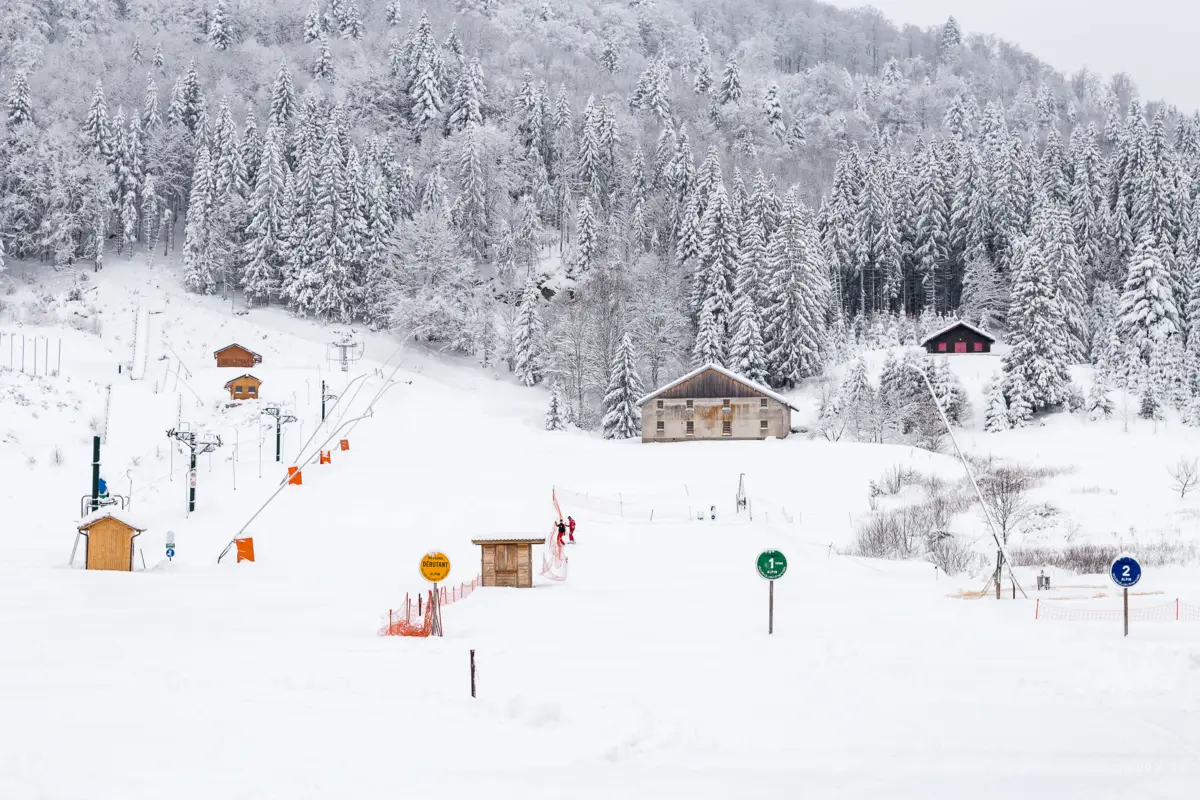
- Pay attention to signage (respect markings, do not ski on closed runs, etc.)
Weather and snow conditions: adapting to the mountains
In the mountains, weather conditions are quite specific and can change rapidly. Anticipating and adapting to them is essential for safety, health, and comfort.
First, think about the essential clothing and equipment mentioned earlier in the “packing checklist.”
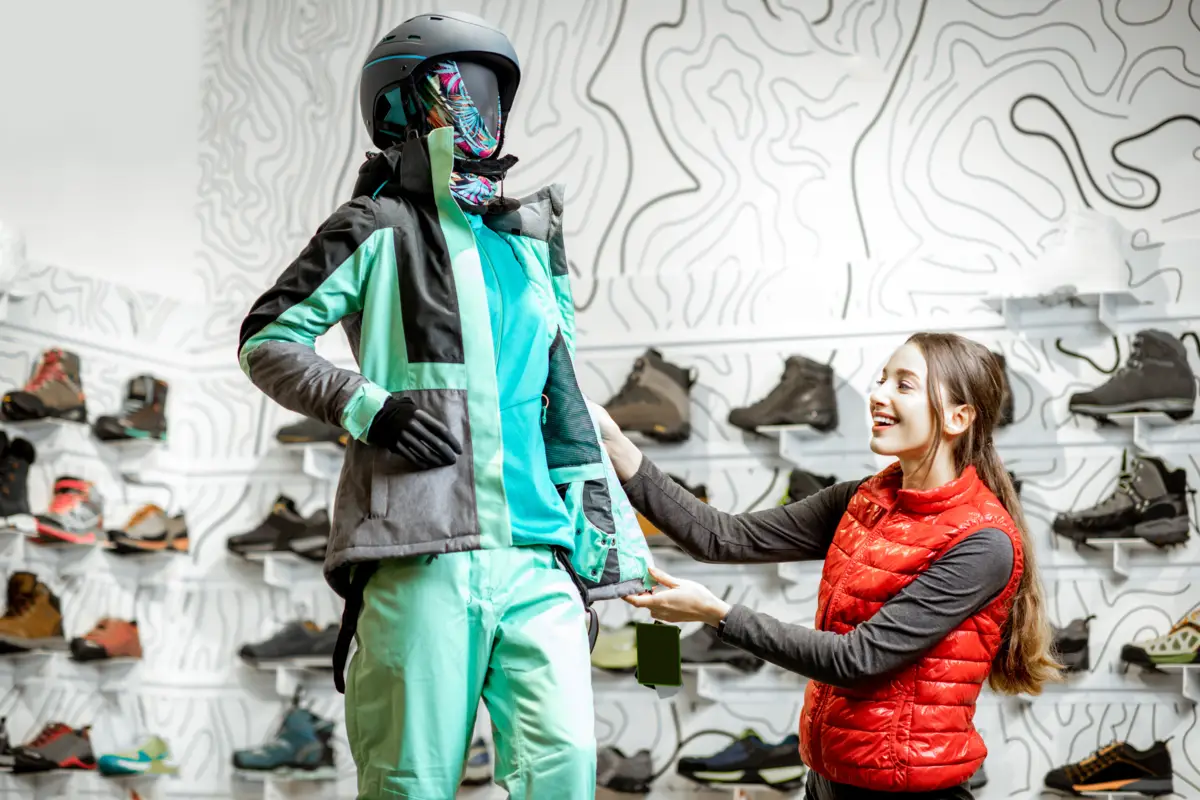
Then, follow best practices to avoid unpleasant surprises and unnecessary risks:
- Check the weather forecast and slope conditions every morning
- Prioritize slopes with good visibility (e.g. no fog, little wind), and postpone skiing if conditions worsen
- Pay attention to snow variations, especially icy patches
- Avoid off-piste skiing without terrain knowledge or when there is avalanche risk
Sport 2000 tip: visit the Tourist Office website to check the weather, snowfall, avalanche risk, and live webcams.
Skiing with children: safety tips
While all skiers should follow safety best practices, parents need to be especially vigilant. Children may tire more quickly, struggle with trajectory control, or forget safety rules.
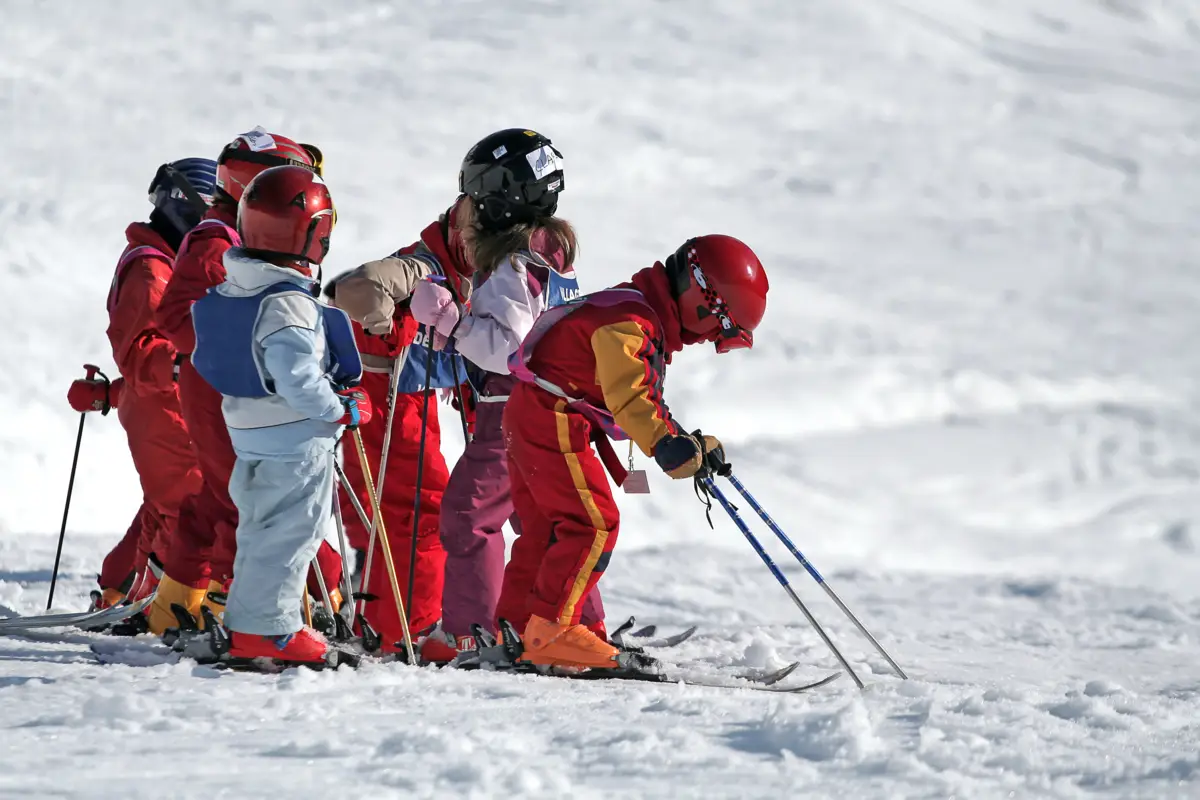
That said, you shouldn’t miss out on a family moment on the slopes! Here are some tips to ensure everything goes smoothly:
- Remind children of basic slope rules (daily if necessary)
- Regularly check their fatigue level and adapt session length to their age
- Make sure they are neither too cold nor too hot and feel comfortable in their ski clothing
- Choose wide, less crowded slopes when possible
- Encourage and accompany children (without forcing them)
- Never leave a child alone on the slopes or on ski lifts (for example, one parent downhill to lead the way and one uphill to intervene if needed)
After a day of skiing: recovery and equipment care
A final important point for safe skiing: good end-of-day habits. Often overlooked, they are essential for peace of mind, proper recovery (to avoid fatigue and muscle pain), and to keep your equipment in good condition (crucial for smooth, controlled skiing).
After a day on the slopes, remember to:
- Dry your gear thoroughly (boots, gloves, pants, jacket, etc.)
- Make sure you have clean, weather-appropriate clothing ready for the next day
- Return to the store if adjustments are needed (or to change equipment if you chose the Multiride option)
- Stay well hydrated
- Stretch to aid muscle recovery
- Prepare for the next day (check the weather, pack your backpack, inspect equipment, etc.)
With all these tips, and the support of Sport 2000 in-store experts, you have everything you need to ski with confidence and complete safety!